
Brace for higher cost of living -- JCTR
 NATIONSC
Brace for higher cost of living -- JCTR
Content Type: Free
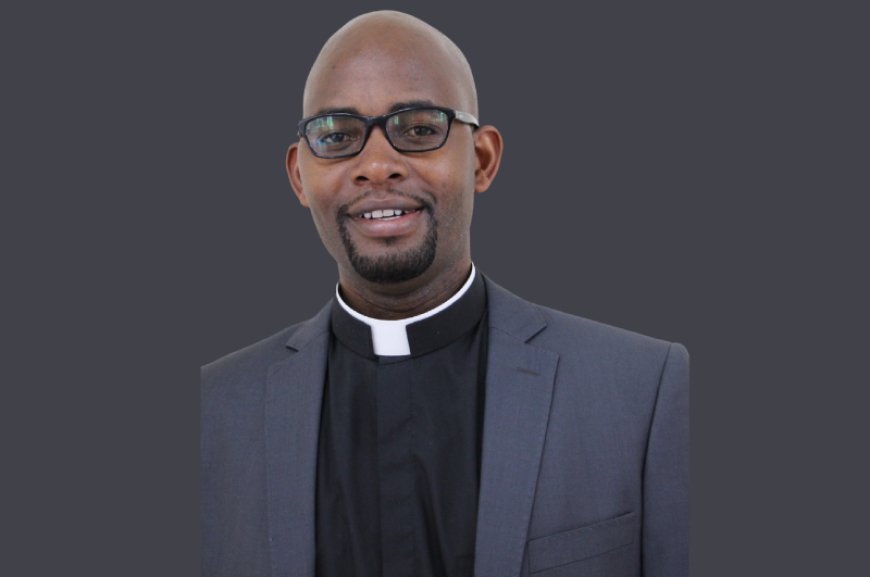
*...Fr Dr Daniel Mutale, the JCTR Executive Director, warns that the proposed VAT and mobile-money levy increases will skyrocket the cost of living as six in 10 Zambians remain poor, says government is more focused on economic growth rather than the social welfare of citizens*
By NATION REPORTER
THE K284.8 billion 2027 national budget will deepen the financial hardship facing ordinary Zambians by increasing the cost of basic goods and services, thereby making the poor more poorer, the Jesuit Centre for Theological Reflection (JCTR) has warned.
JCTR executive director Father Dr Daniel Mutale said while the budget's emphasis on economic growth is welcome, Government should have considered to strike a stronger balance between growing the economy and protecting vulnerable citizens from rising living costs.
Fr Mutale said the proposed increase in Value Added Tax (VAT) from 16 to 16.5 percent and higher levies on mobile money transactions could place an additional burden on households already struggling with high prices.
"The agenda itself is not supposed to be measured just on growth targets, on GDP only, but on its ability to translate that growth into food on the table for ordinary Zambians.
With the increased Value Added Tax and many other taxes, Zambians should brace themselves for harder economic times, higher cost of living and consequently, the poor will be hit the most and become poorer," Fr Mutale said.
He said economic growth should always translate into better conditions of living, better schools, improved health facilities, quality roads and meaningful support for farmers.
He said JCTR was particularly concerned about the proposed increase in VAT because it was a consumption tax paid whenever people bought goods and services.
"Remember, this is not a tax that is paid once per month. It is not a tax that is paid anually, or every two years. It is a tax that is paid every time you buy something. Essentially, Zambians pay this form of tax every day," Fr Mutale said.
Fr Mutale explained that the increase in the higher cost of living would come at a time when most Zambians spent a significant proportion of their income on food.
Fr Mutale also warned that higher mobile money transaction levies could hurt small traders and ordinary citizens who depended on mobile money as an important financial inclusion tool.
He said the impact would be compounded by expected low agricultural production, with the country already emerging from drought conditions.
Fr Mutale also questioned whether increasing Social Cash Transfer (SCT) payments from K400 to K450, and eventually K650 for eligible beneficiaries, would provide meaningful relief against rising prices.
"These are the vulnerable of the vulnerable. They have nowhere to go. They have nothing else they can do. That's all they have. It's their lifeline," he said.
Fr Mutale said ZAMSTAT figures were showing that about 60 percent of Zambians were poor, warning that the budget should not introduce measures that would "push them and squeeze them further."
He urged Parliament to critically review the proposals before the budget was enacted into law.
"We need a better balance," Fr Mutale said.
Ends.