

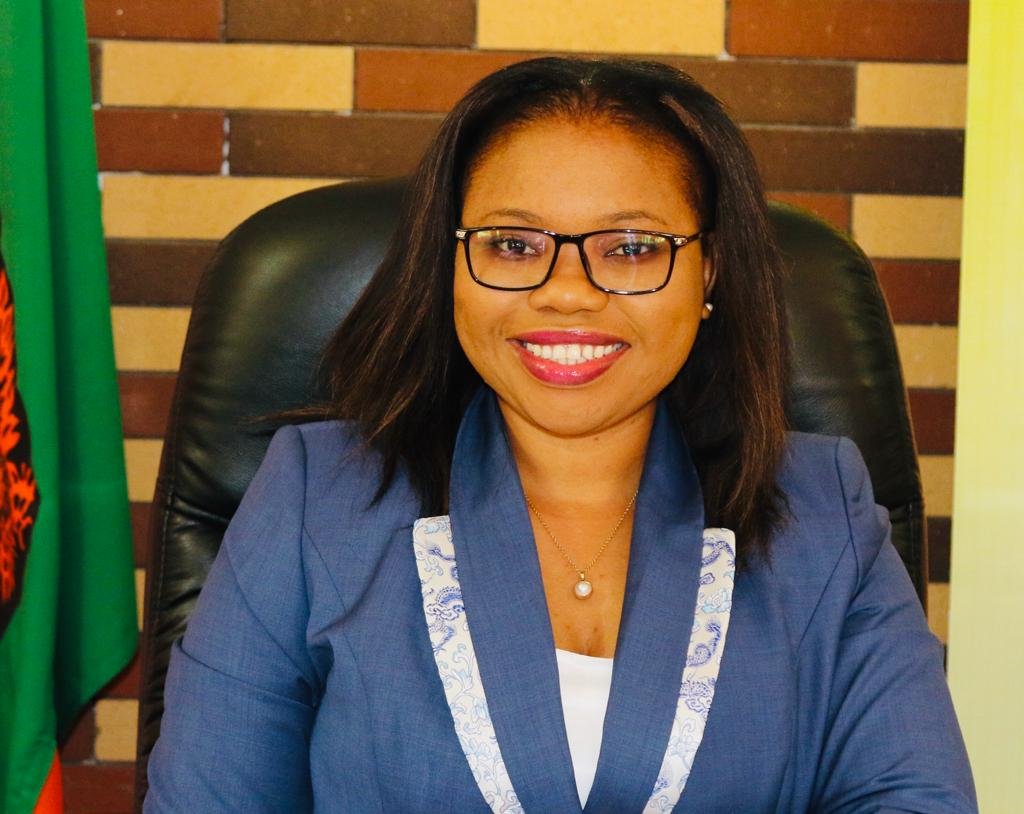
Bernadette Deka-Zulu (PhD Researcher-Public Enterprise)
Introduction
This week, am taken back to 14 years ago-2009, in Banjul-The Gambia where we held the first ever Conference of African Ministers for Fisheries and Aquaculture (CAMFA-1), under the Partnership for African Fisheries (PAF); an African Union-New Partnership for Africa’s Development (NEPAD) led initiative aimed at promoting sustainable fisheries and aquaculture practices in Africa. The initiative birthed a vigorous campaign of the Blue Economy in Africa, brought together African ministers responsible for fisheries and aquaculture to discuss issues related to the sector and to develop policies and strategies to promote sustainable development of the sector, followed by the Malabo the CAMFA-2 held in Malabo in 2014, and subsequently the Malabo declaration on African Fisheries. Spearheaded by a Malawian Expert who headed the PAF at the NEPAD Agency then, Dr Sloans Chimatiro, I could only as a Zambian youth then- (privileged to work in such noble Pan-African spaces) be encouraged that a prosperous Africa is possible, and that the continent has all endowments to rise to its glory. The Zambian Government was represented by Hon Bradford Machila-then Deputy Minister in the Ministry of Livestock & Fisheries. I came from the NEPAD Agency through No-line Communications and the Partnership for African Fisheries, and thus, my natural bias was towards the full presence and participation of the Zambian Government.
It is this memory that brings me to reflect on the status of the ‘Blue Economy’ in Zambia. We shall delve more about the CAMFA later in the article.
What is the Blue Economy and Its Status in Zambia?
The Blue Economy refers to the sustainable use of aquatic resources to promote economic growth, improve livelihoods, and enhance ocean health. It encompasses a range of economic sectors, including fisheries, tourism, transportation, energy, and biotechnology, among others. Zambia has the chance to harness its plentiful water resources for economic progress. The country boasts approximately 40% of the fresh water in the SADC region, as well as one of East and Central Africa’s three main lakes, Lake Tanganyika, and serves as a significant entry point to the African interior via the Zambezi river. Lake Tanganyika is a vital source of fish for Zambia’s Blue Economy, while the Zambezi river is energy resource. The presence of these key water resources positions Zambia well to maximize the potential of the Blue Economy. The Blue Economy of Zambia comprises various sectors, including fisheries (both aquaculture and capture fisheries), tourism, energy, and biotechnology.
In Zambia, the Blue Economy has immense potential due to the country’s abundant water resources. However, the current state of the Blue Economy in Zambia is still in its nascent stage. While there are efforts to promote the Blue Economy, the sector remains largely underdeveloped, and there is a lack of a comprehensive policy and regulatory framework to support its growth.
Despite these challenges, there have been some positive developments in the Blue Economy in Zambia. For instance, the government has put in place some measures to promote the sector, such as the establishment of the Ministry of Fisheries and Livestock, which oversees the fisheries sector in the country.
Additionally, there have been efforts to develop aquaculture and fish processing industries in the country, with some success. The tourism sector, which is an important component of the Blue Economy, has also been growing in recent years, with several tourist attractions, including Lake Kariba and Victoria Falls.

Overall, while the Blue Economy is still in its early stages in Zambia, there is significant potential for growth and development in the sector, particularly with the country’s abundant water resources.
The country’s rivers and lakes provide opportunities for hydroelectric power, fishing, water-based tourism, and biotechnology products. The development of these sectors has significant potential for employment, GDP growth, and improving livelihoods. The sustainable use and management of water resources can also contribute to Zambia’s SDG goals.
Legal Framework and Constitutional Protection
The Blue Economy in Zambia is governed by several laws and regulations aimed at promoting sustainable use and conservation of aquatic resources. The Fisheries Act of 2011, for instance, provides for the management and conservation of fish and aquatic resources in the country. The Act establishes a legal framework for the management of both capture fisheries and aquaculture, including licensing, fishing gear regulations, and penalties for illegal fishing practices.
The Constitution of Zambia also recognizes the importance of the environment and natural resources, including water bodies, and guarantees the right of every Zambian citizen to a clean and healthy environment.
Key Organizations Responsible for Managing the Blue Economy in Zambia
Several organizations are responsible for managing the Blue Economy in Zambia. The Ministry of Fisheries and Livestock, established in 2016, oversees the fisheries sector and is responsible for promoting the sustainable use and management of fish and aquatic resources in the country. The Ministry is also charged with the responsibility of developing policies and regulations to support the growth and development of the Blue Economy in Zambia.
The Zambia Aquaculture Enterprise Development Project (ZAEDP) is another organization responsible for promoting the development of aquaculture in Zambia. The project, funded by the World Bank, aims to support the growth and development of the aquaculture sector in the country by providing technical and financial assistance to farmers and entrepreneurs.
The Zambia Tourism Agency is also responsible for promoting tourism in the country, including the development of tourist attractions in the Blue Economy sector, such as lakes, rivers, and waterfalls.
Overall, these organizations play a critical role in the development and management of the Blue Economy in Zambia, ensuring that aquatic resources are sustainably managed and utilized for economic growth and improved livelihoods.
SDG Number 14 and Its Relationship to Zambia’s Blue Economy
Sustainable Development Goal (SDG) number 14, or Life Below Water, is one of the 17 Sustainable Development Goals adopted by the United Nations in 2015. Its aim is to “conserve and sustainably use the oceans, seas, and marine resources for sustainable development.” This goal is highly relevant to the Blue Economy, which is an economic concept that promotes sustainable use and management of water resources for economic growth, environmental sustainability, and social equity.
Zambia, a landlocked country in Southern Africa, may not have direct access to the ocean, but it has several large freshwater bodies, including the Zambezi River, Lake Tanganyika, and Lake Kariba. These water bodies support fisheries and provide other ecosystem services, making them crucial for Zambia’s economy and the livelihoods of its people.
Progress has been made towards achieving SDG Number 14. For example, the country has enacted policies and legislation aimed at promoting sustainable use and management of its freshwater resources, such as the Fisheries Act of 2011 and the Water Resources Management Act of 2011. Additionally, Zambia has engaged in regional and international initiatives, such as the Lake Tanganyika Authority and the Benguela Current Commission, to coordinate and collaborate on conservation and management efforts.
However, Zambia still faces several challenges in achieving SDG Number 14, including overfishing, pollution, and habitat destruction. Illegal fishing is prevalent in some areas, leading to the depletion of fish stocks and loss of livelihoods for local communities. Pollution from agricultural and industrial activities threatens water quality and aquatic ecosystems. Finally, climate change and other human activities are leading to the degradation of freshwater habitats, further exacerbating these challenges.
The CAMFA
The birth of the Conference of African Ministers for Fisheries and Aquaculture (CAMFA) under the Partnership for Africa Fisheries (PAF), has brought about immense transformation in fisheries and aquaculture sector in participating countries across the continent. As a result, various policy framework and reform strategies have been put in place- for example the African Union Policy Framework and Reform Strategy for Fisheries & Aquaculture in Africa (PFRS). The PFRS was endorsed by the African Heads of States and Governments as part of the Malabo Declaration in 2014. Since then, the Blue Economy in Africa took a more robust approach.
In Zambia, the implementation of the Partnership for African Fisheries (PAF) program has potential of having significant impact on the country’s Blue Economy. One of the key areas of of the department of fisheries (with support from organizations such as the World Fish) has been the development of sustainable fisheries practices. There is need for our Government to focus more on supporting the development of the aquaculture. This can be realized through continued efforts to provide technical assistance and financial support to small-scale fish farmers. The impact of the PAF-CAMFA on the Blue Economy in Zambia -through the years, can be seen in the increased production of fish and the development of infrastructure in the sector. For example, the government has invested in the construction of fish markets and cold storage facilities, which has helped to improve the value chain for fish production.
However, despite the progress made, there are still significant challenges facing the Blue Economy in Zambia, such as climate change, illegal fishing, and limited financing for small-scale fishers and aquaculture farmers. These challenges need to be addressed to fully maximize the potential of the Blue Economy.
Challenges Facing Zambia’s Blue Economy:
The Blue Economy in Zambia faces several challenges, including:
- Climate Change: Climate change has had a significant impact on the Blue Economy in Zambia. Changes in temperature and rainfall patterns have affected fish breeding and migration, leading to a decline in fish populations. Climate change has also led to increased water pollution and water scarcity, affecting the aquaculture industry.
- Illegal Fishing: Illegal, unreported, and unregulated fishing (IUU) remains a significant problem in Zambia. IUU fishing practices are not only detrimental to fish stocks but also affect the livelihoods of small-scale fishers.
- Lack of Infrastructure: Zambia’s Blue Economy lacks adequate infrastructure which hinders the development of the sector.
- Limited Financing: Financing is critical for the development of the Blue Economy. However, access to finance remains a significant challenge, especially for small-scale fishers and aquaculture farmers.
- Water Body Pollution: Pollution can also make aquatic life more susceptible to disease, impede growth and reproduction, and cause negative changes in the ecosystem.
Recommendations:
To address these challenges and maximize the potential of Zambia’s Blue Economy, the following selected recommendations are proposed:
- Implement Climate Change Adaptation Strategies: Zambia needs to develop and implement climate change adaptation strategies to minimize the impact of climate change on the Blue Economy.
- Combat IUU (Illegal, Unreported and Unregulated) Fishing: The Zambian government needs to strengthen regulations and enforcement to combat IUU fishing practices.
- Invest in Infrastructure: Zambia needs to invest in adequate infrastructure such as; cold storage facilities to promote the growth of the Blue Economy.
- Increase Access to Financing: The government needs to develop policies and strategies to increase access to financing for small-scale fishers and aquaculture farmers.
- Encourage Sustainable Practices: The government should encourage sustainable practices in the fishing and aquaculture sectors, such as the use of sustainable fishing gear, promoting fish farming, and sustainable land management practices.
In conclusion, the Blue Economy presents significant opportunities for Zambia’s economic development. To maximize the potential of the Blue Economy, Zambia needs to implement climate change adaptation strategies, combat IUU fishing, invest in infrastructure, increase access to financing, and encourage sustainable practices. Ultimately, sustainable development is critical for the long-term success of Zambia’s Blue Economy. Economic diversification is key to Zambia’s economic growth, the Blue Economy is an essential enabler/contributor to the national growth we desire.