
Executive pressure fracturing justice system - Changala
 Nation Reporter
Executive pressure fracturing justice system - Changala
Content Type: Free
…the civil rights activist alleges selective prosecution and political interference are undermining independent governance and democratic institutions, leaving citizens exposed to intentioned injustices
By NATION REPORTER
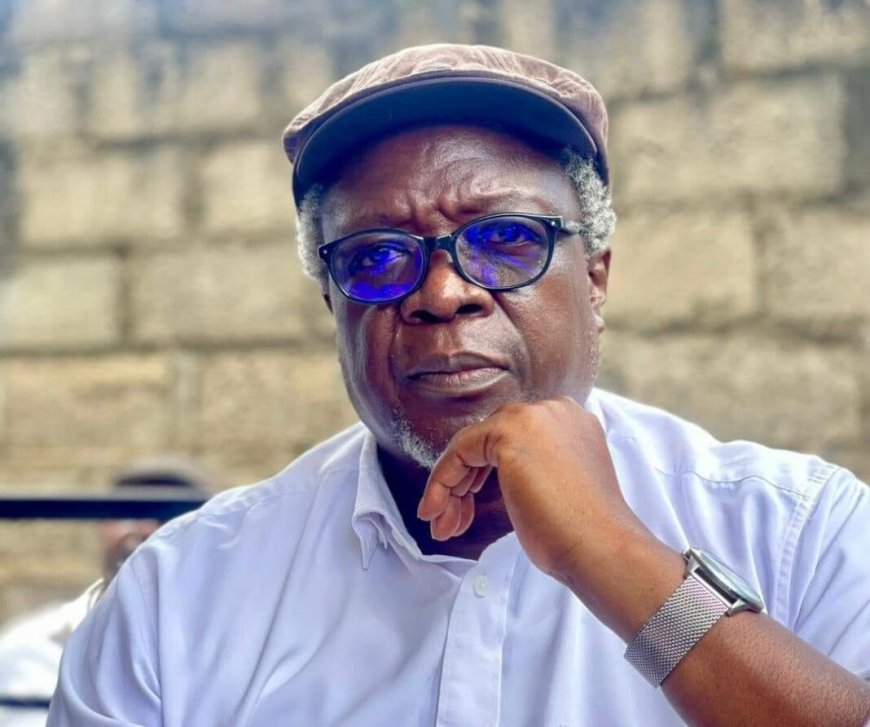
CIVIL rights activist Brebner Changala has accused the executive of undermining the independence of prosecution authorities, alleging that political influence is determining who faces criminal proceedings and whose cases are abandoned.
Mr Changala said a justice system that responded to those in power rather than applying the law impartially could not offer citizens equal protection.
In an interview, Mr Changala alleged that interference in the National Prosecutions Authority (NPA) had weakened the office of the Director of Public Prosecutions (DPP) and contributed to a wider breakdown in institutional independence and the rule of law.
“Our justice system is based on the executive’s desires and directions. It does not anchor on the rule of law,” Mr Changala charged.
He said the DPP’s responsibility was to exercise independent judgment, guided by the law rather than political expectations.
“The Director of Public Prosecutions does not get instructions from anybody. He or she is guided by the law,” he said.
Mr Changala said impartiality required prosecutors to consider both the public interest and the rights of accused persons.
“A Director of Public Prosecutions is supposed to be impartial. He or she is supposed to protect the interests of the State or the public and the interests of the accused,” he said.
He cited a letter allegedly written by the Solicitor General to the DPP requesting an adjournment in the Milingo matter as an example of what he considered improper executive involvement in prosecution decisions.
Mr Changala questioned whether the office could maintain meaningful independence if communications from executive officials influenced the conduct of criminal proceedings.
He also argued that presidential appointment and parliamentary ratification could create a sense of allegiance to the appointing authority, despite safeguards intended to protect the office’s independence.
His strongest criticism concerned what he described as selective prosecution, alleging that individuals perceived as opponents of Government faced sustained legal action while others benefited after reconciling with the ruling establishment.
“What is worrying now is a double application of the law,” he said.
Mr Changala alleged that decisions to abandon some cases were effectively made outside the courtroom, leaving the public without a transparent explanation.
“The cases are dropped outside the court of law. And this is where you will find our justice system is fractured,” he said.
He also demanded an explanation for what he described as the closure of court operations, saying neither the executive nor the Judiciary had adequately accounted for the circumstances.
Mr Changala said unanswered questions about access to courts compounded concerns over prosecutorial independence and the ability of citizens to defend their rights.
He warned that weakening constitutional institutions would leave the public increasingly dependent on political goodwill for protections that should be guaranteed by law.