
Zambia, Malaysia explore cooperation in rural growth
 NATIONSC
Zambia, Malaysia explore cooperation in rural growth
Content Type: Free
By BUUMBA CHIMBULU
ZAMBIA and Malaysia are exploring opportunities to strengthen bilateral cooperation in local governance and rural development through technical knowledge exchange and institutional partnerships.
The two countries have identified potential areas of collaboration, including rural infrastructure development, community empowerment, local economic development and improved public service delivery.
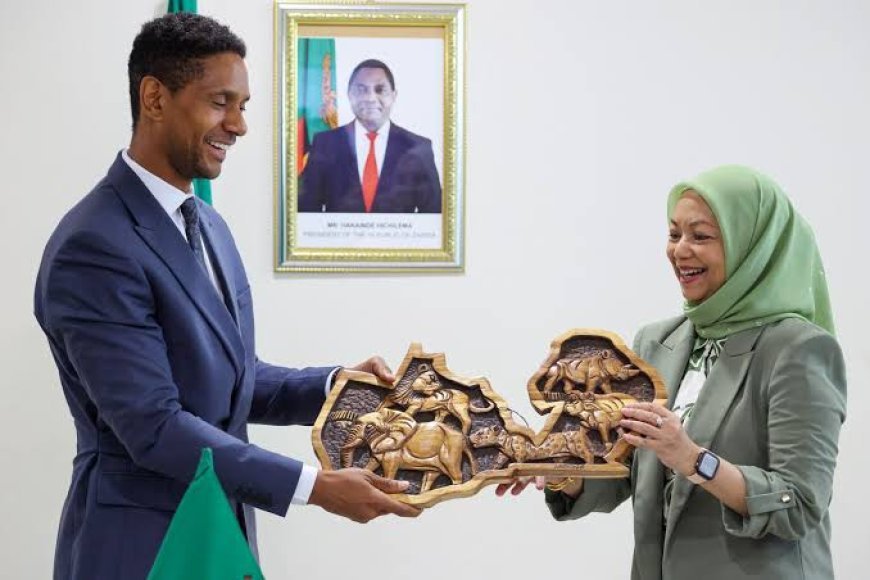
This follows a courtesy call by a high-level Malaysian delegation, led by Secretary General of the Ministry of Rural and Regional Development, Dato Ahmad, on Ministry of Local Government and Rural Development Permanent Secretary (Administration) Gabriel Pollen, in Lusaka.
Dr Pollen said Zambia and Malaysia shared common development aspirations despite differences in their geographical, economic and administrative contexts.
"Both countries were focused on improving citizens' livelihoods through effective governance, inclusive development and enhanced public service delivery," he said.
Dr Pollen said Zambia was interested in learning from Malaysia's experience in rural and regional development, particularly its approaches to infrastructure development, community empowerment and balanced regional growth.
He said the exchange would provide an opportunity for Zambia to learn from Malaysia's institutional arrangements, policy interventions and practical approaches that could strengthen the country's rural development programmes.
"There was considerable potential for cooperation between the two countries and expressed confidence that ongoing discussions would identify practical areas of mutual benefit," Dr Pollen said.
In her remarks, Ms Ahmad reaffirmed Malaysia's commitment to strengthening bilateral relations with Zambia, saying her country was interested in establishing formal institutional linkages between the two ministries.
"Cooperation should extend beyond information sharing to include practical initiatives such as technical assistance, capacity-building programmes, study visits and the exchange of innovative approaches to rural and regional development," she said.
The two parties agreed to maintain communication channels to advance the proposed areas of cooperation and support sustainable rural transformation in both countries.