
Prof Saasa calls for private sector-led growth to improve livelihoods
 Nation Reporter
Prof Saasa calls for private sector-led growth to improve livelihoods
Content Type: Free
By BUUMBA CHIMBULU
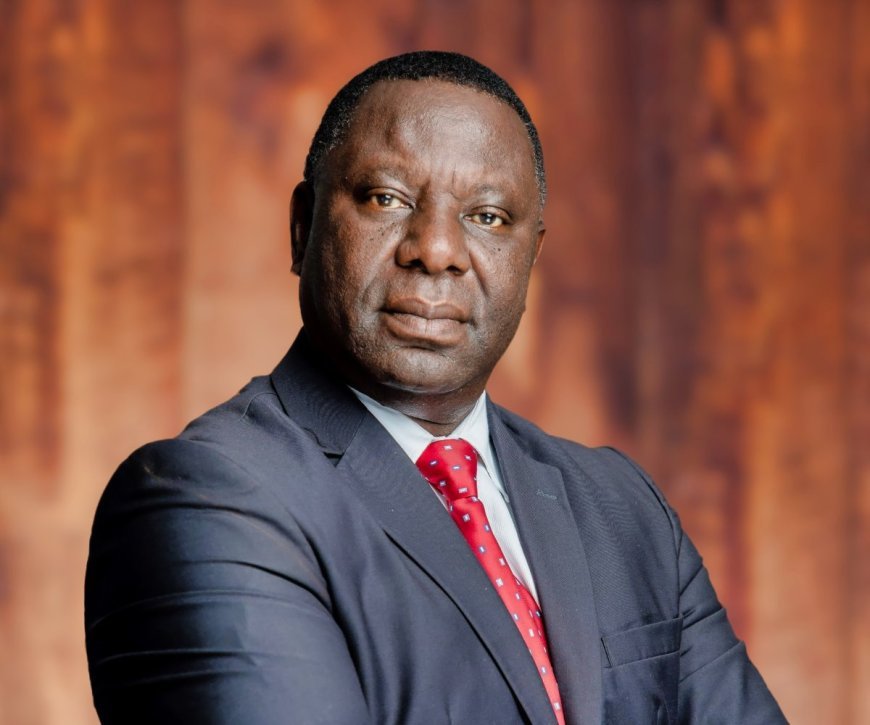
ZAMBIA’S next five years should focus on translating economic growth into tangible benefits for households through higher incomes, lower living costs, job creation and increased local production, economist Professor Oliver Saasa has said.
Prof Saasa said although the economy has recorded growth in sectors such as agriculture, many Zambians are yet to experience improvements in their living conditions, with the cost of living remaining high and poor households struggling to afford adequate food.
He said the country must now move beyond economic stabilisation and focus on expanding productive sectors through stronger private sector participation and investment in agriculture, mining, energy and manufacturing.
In an interview with Mining For Zambia, Prof Saasa said the success of the country’s economic policies should ultimately be reflected in reduced poverty, improved household purchasing power and increased production of finished goods for export.
“Zambia needed to accelerate value addition by processing more of its raw materials locally instead of exporting them in their unprocessed state,” he said.
Citing the country’s maize surplus, which exceeded three times its annual requirements in the past year, Prof Saasa said local processing would allow Zambia to capture more value from its agricultural production.
He explained that exporting raw maize meant the country was also losing potential employment and income opportunities because processing activities were undertaken in importing countries.
“If the maize were milled in Zambia instead, we’d be exporting a higher value product, and creating jobs in the process,” he said.
Prof Saasa identified public-private partnerships (PPPs) as an important way of financing infrastructure and stimulating economic activity without placing excessive pressure on public finances.
He cited the Lusaka-Copperbelt dual carriageway project, valued at US$650 million, as an example of how private sector participation could reduce the government’s reliance on borrowing.
“The project was initially expected to cost Government between US$1.2 billion and US$1.3 billion under the traditional public financing model, but was instead structured as a concession involving a consortium of private companies,” he said.
Ends.