
What role did Church play in handing Mundubile, Zulu to the State? M’membe asks
 Nation Reporter
What role did Church play in handing Mundubile, Zulu to the State? M’membe asks
Content Type: Free
…says it is deeply concerning that some religious leaders found themselves at the centre of a political conflict, after agreeing to work with the United Nations and the State in facilitating the surrendering of the two leaders.
By MUBITA KATETE
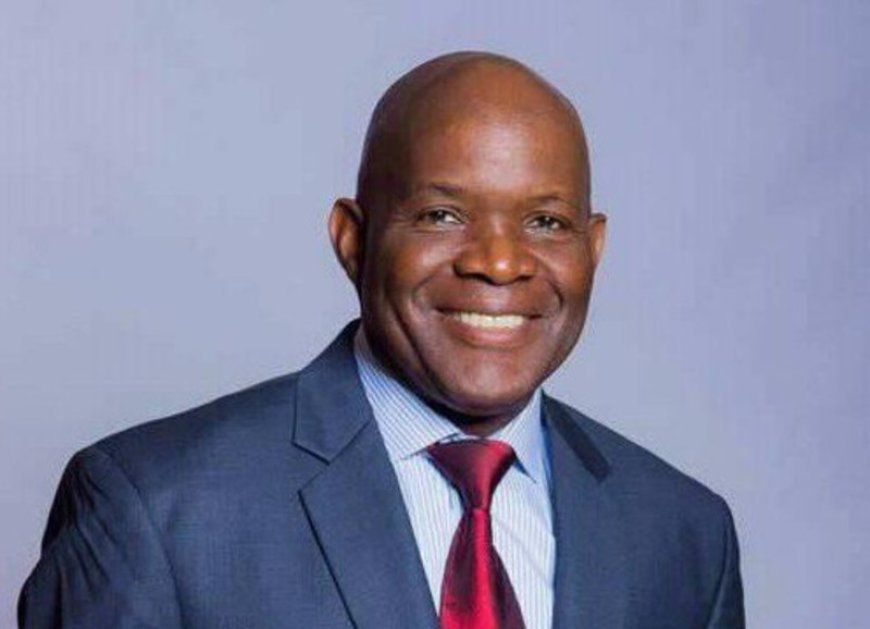
DR FRED M’membe has questioned the role played by the eight Church mother bodies in surrendering Brian Mundubile and his running mate Makebi Zulu to the police from their sanctuary, the United Nations (UN) when the lives of the two leaders were in danger at the hands of the State.
Dr M’membe said it was concerning that some religious leaders had found themselves at the centre of what he described as a political conflict, after agreeing to work with the United Nations and the Zambian government in facilitating the handover.
He questioned who invited the Church to participate in the matter and what its precise role was.
“I don’t know how the Church found itself in this matter. Who invited the Church to this issue? Was it the United Nations or the Zambian government?” Dr M’membe said.
Dr M’membe said the circumstances surrounding Mr Mundubile and Mr Zulu taking refuge within UN premises were legally and diplomatically complex, arguing that the matter required careful consideration rather than simplistic conclusions.
He said the inviolability of UN premises and the absence of an automatic right to third-country passage created a situation that ordinarily required negotiations between the parties involved.
According to Dr M’membe, such circumstances made it important to understand exactly what role religious leaders played before judging their actions.
He, however, warned against what he termed efforts to “crucify” the Church, explaining that aggressively attacking or publicly humiliating religious institutions could have consequences beyond the immediate political dispute.
“While confronting error or hypocrisy is biblical, doing so in a destructive way often backfires deeply. When correction turns into a ‘cancelling’ campaign, it strips the Church of its voice and moral weight,” Dr M’membe said.
He said public attacks on the Church could hurt ordinary believers, divide congregations and undermine the institution’s ability to contribute to national dialogue and reconciliation.
Dr M’membe also cautioned that relentless public condemnation could damage trust and give critics of Christianity an opportunity to ridicule the faith.
He argued that disagreements involving the Church should instead be addressed through constructive confrontation, dialogue and accountability.
Dr M’membe said the country needed institutions capable of facilitating dialogue at a time of heightened political tensions and should therefore avoid actions that could weaken the Church’s capacity to mediate conflicts.
Ends.